Separate the standard, certifier and label
Several names can appear on one cosmetic without meaning the same thing. COSMOS is a standard setting requirements for natural and organic cosmetics. A certification body checks compliance with that standard. Ecocert is one such body. Cosmébio is an association behind a label; it does not carry out product certification itself.
The official explanation, Cosmébio, Ecocert and COSMOS: what is the difference?, sets out these roles. In practice, read the full set of statements rather than stopping at the first familiar logo you see.
- Find the mark
- Identify the standard
- Check this exact product
Read the complete designation
| Statement | What to look for |
|---|---|
| COSMOS ORGANIC | Organic certification against COSMOS requirements |
| COSMOS NATURAL | Natural certification, with different organic-content requirements |
| Certification body | The organisation that checked compliance |
| Cosmébio | A label to read alongside its accompanying statements |
The official COSMOS website explains its signatures and provides a certified-product directory. Search using the exact product and brand names when checking a reference. Certification information for a raw material should not be treated as certification of the finished cosmetic.
Check what a percentage refers to
The percentage of ingredients of natural origin is not the same as the percentage of organic ingredients. Water and minerals, for example, do not come from organic agriculture. Before comparing two figures, check that they refer to the same thing: the whole product or the particular ingredient category named in the statement.
The Cosmébio label guide explains these distinctions. Avoid turning a single number into a universal ranking. Two products with different purposes and formulas cannot usefully be compared using just one percentage, particularly if the calculation covers different parts of their composition.
Check a specific product
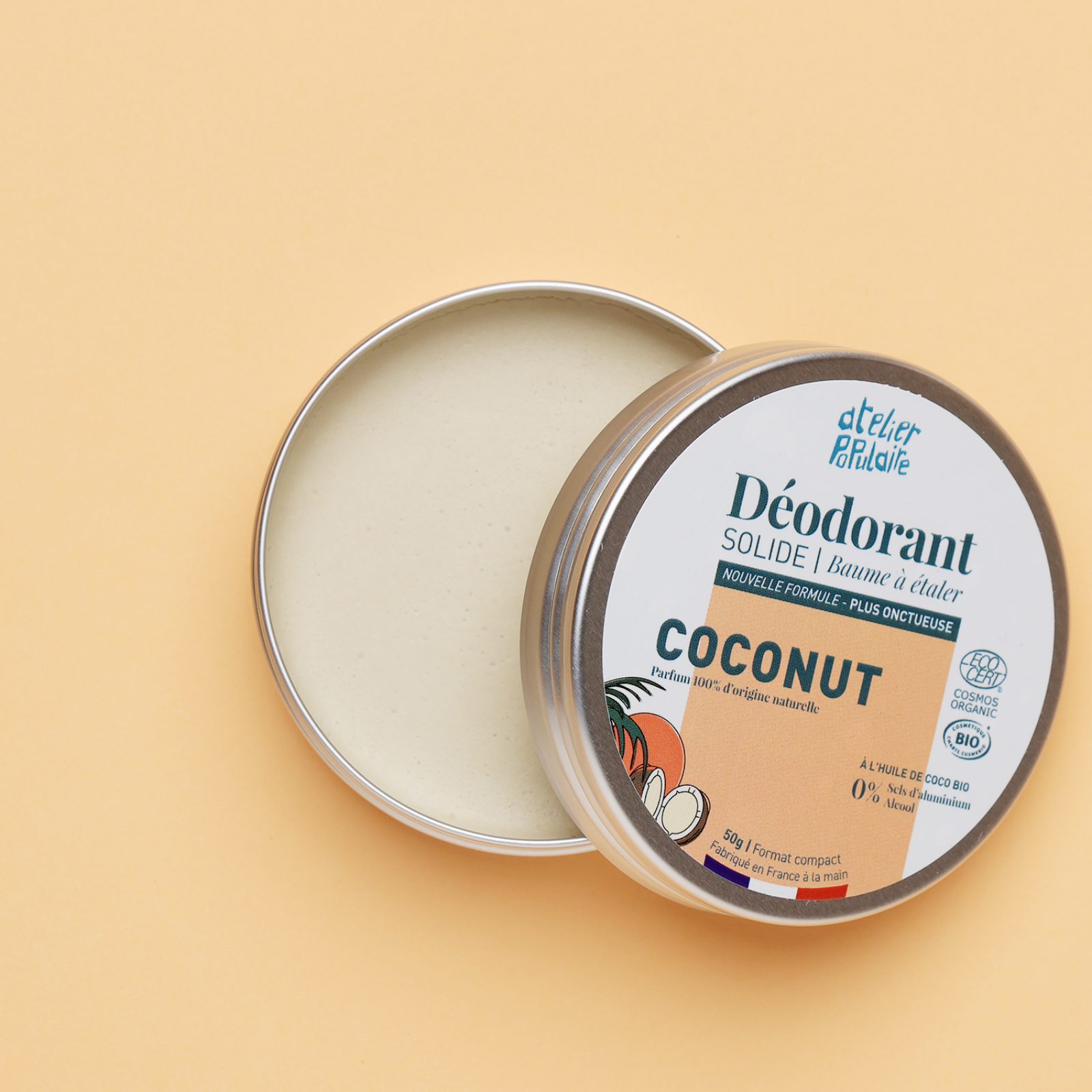
The product page for Le Neutre soap states COSMOS ORGANIC, as does the page for Nature deodorant. Start with the exact reference, then read its ingredients and directions. One certified product does not automatically give the same status to a brand's whole catalogue or to the accessories it sells.
A production method and a manufacturing location answer different questions again. “Cold-process” describes a soap-making method, while “made in Paris” identifies a place of manufacture. Neither replaces organic certification. Our INCI article, available in French is the separate resource for understanding ingredient names.
Finish with the practical details
Certification provides defined reference points, but it does not choose your fragrance, format or everyday routine for you. It also does not promise that every formula will suit every person. Compare the cold-process soaps or solid deodorants using the specific features of the products that interest you.
Keep the method simple: identify the exact product, read the full designation, check the certification body, then review ingredients and precautions. These pieces of information work together. You do not need to expect one logo to answer every question about a cosmetic.